HomeMimetic TheoryGlossaryGirardBooksSubscribe
Reference Site

The reference site for René Girard’s mimetic theory.

Mimetic theory is a comprehensive account of human desire, conflict, and culture developed by French anthropologist René Girard (1923–2015). It begins with a simple insight: we want what others want.

What is Mimetic TheoryExplore the Glossary
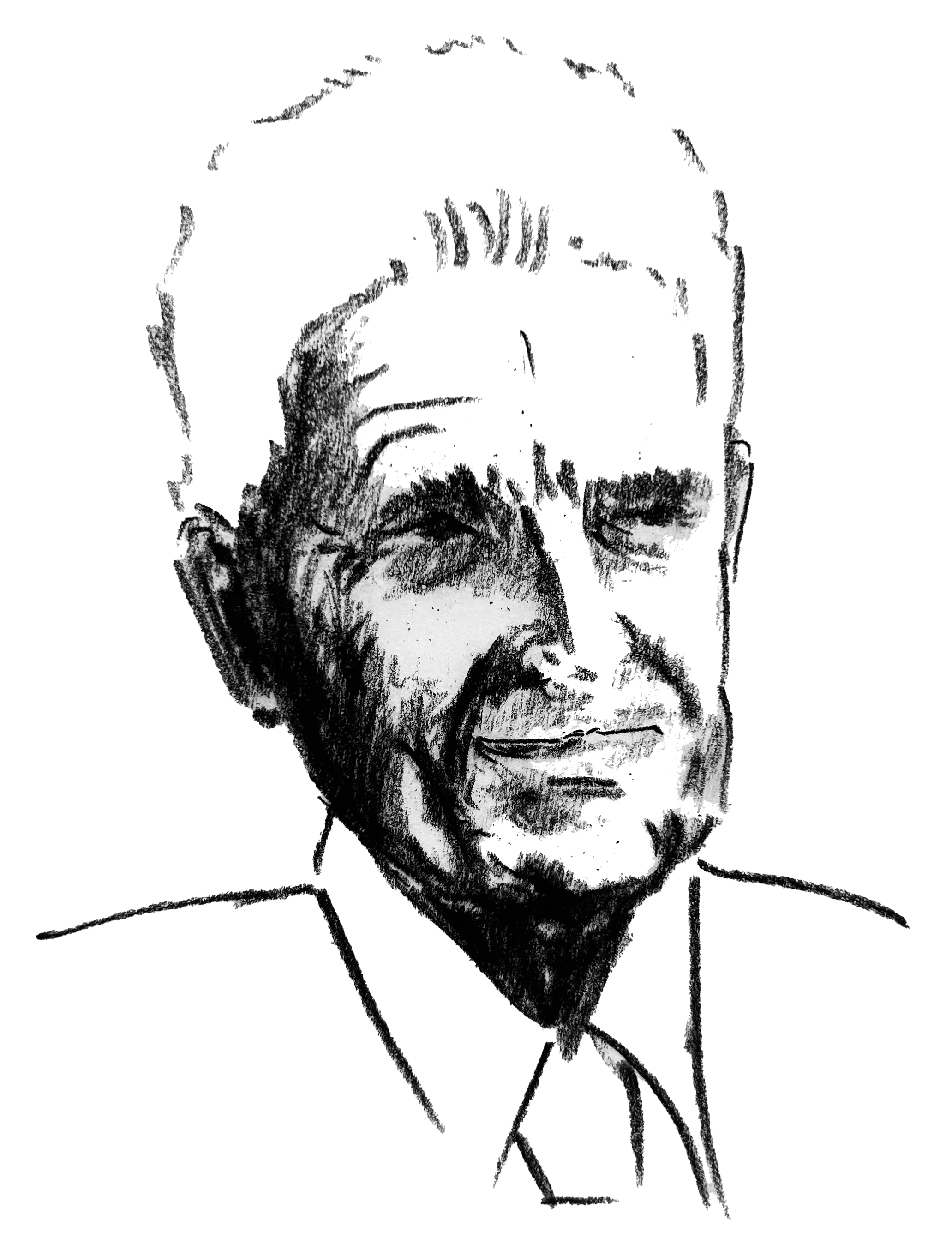
René Girard
The Theory

Mimetic theory moves through four stages

Stage 1

Mimetic Desire

After basic needs are met, humans look to one another to learn what to want. Desire is not autonomous — it is borrowed from models.

Stage 2

Mimetic Rivalry

When two people desire the same object, they become rivals. The object recedes and the obstacle — the rival — becomes the focus of intensifying desire.

Stage 3

Scapegoating

As rivalry spreads and threatens community cohesion, violence is redirected onto a single victim. The scapegoat restores temporary peace through unanimous expulsion.

Stage 4

The Cover-Up

Culture — ritual, myth, prohibition — grows up around the founding murder to prevent its recurrence and obscure its violent origin. The scapegoat is deified.
Read the full explanation →
Start Here

The best entry points into mimetic theory

Two books that make Girard's ideas accessible to a general audience.

By Luke Burgis

Wanting

The Power of Mimetic Desire in Everyday Life

The landmark account of Girard's theory of mimetic desire, and what to do about it. The clearest, most accessible introduction to René Girard available. Translated into twenty languages.

AmazonBookshop.org
By Luke Burgis

The One and the Ninety-Nine

Forging Identity in the Age of Social Contagion

The crisis of our time is not polarization or loneliness but formation: building a self solid enough to withstand the pressure of the crowd. Picks up where Wanting left off.

AmazonBookshop.org
See all books on mimetic theory →
Key Concepts

Glossary of mimetic theory

Mimetic Desire

The tendency to want what another person wants, borrowed from a model or mediator rather than arising spontaneously.

Scapegoat Mechanism

The process by which communities channel collective violence onto a single victim, restoring social order through unanimous expulsion.

Mimetic Rivalry

The escalating conflict between two individuals who desire the same object, where the rival becomes the obstacle that intensifies desire.

Model / Mediator

The person from whom desire is borrowed. The model both shows what is desirable and, if they become a rival, blocks access to it.

Méconnaissance

Misrecognition: the tendency of those caught in mimetic desire to misidentify the true cause of their problems, as in the scapegoat mechanism.

Thick Desire

Desires rooted in one's own deepest values and longings, as opposed to thin desires borrowed from the crowd.

View Full Glossary
Video Introduction

“The Invention of Blame” by Vsauce2

The clearest short introduction to mimetic theory available on video. Kevin Lieber explains mimetic desire, rivalry, and the scapegoat mechanism.

Anti-Mimetic

Weekly short-form thoughts on mimetic desire, culture, and what it means to want freely. No essays — bullets.

Fridays · Free · Unsubscribe anytime